Materials, names & objects.

Follow a material or symbol from the name people use to a documented object—and the source behind it.

Sources checked 28 October 2026 · Specialist review of four guides reported by the site owner

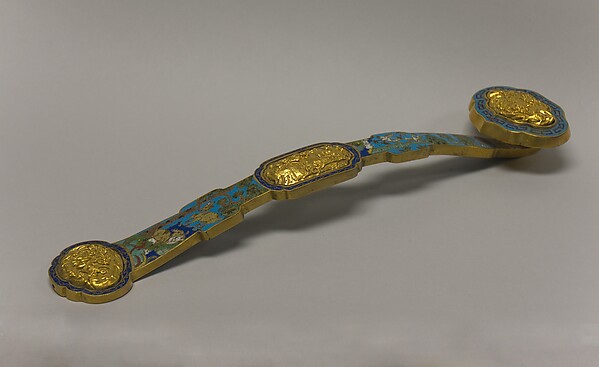
Ruyi scepter made with cloisonné enamel and gilt bronze
Ruyi scepter, 18th–19th century · The Metropolitan Museum of Art · Public domain

Find a reference

Search names in English, Chinese or pinyin. Choose a category to narrow the list.

Try a search:

9 records

Reference entries

  1. Materials

    Nephrite vs Jadeite

    软玉 / 翡翠 · ruǎnyù / fěicuì

    Two materials commonly called jade: compare names, structure and hardness without treating appearance as authentication.

  2. Terms

    Hetian, Hotan and Nephrite

    和田玉 · Hétián yù

    A place name, a material name and a market term overlap—but answer different questions.

  3. Materials

    Bodhi Bead Materials

    菩提子 / 菩提根 / 星月 · pútízǐ / pútí gēn / xīngyuè

    Bodhi is a family of bead names in trade and practice, not a guarantee that every bead came from one tree.

  4. Cultural symbols

    Ruyi: Symbol and Objects

    如意 · rúyì

    Ruyi can name a wish and a scepter. Compare two museum objects before assigning one fixed meaning to every curved motif.

  5. Cultural symbols

    Jade in Chinese culture

    玉 · yù

    Read the existing cultural guide, with linked historical objects.

Historical object matches (4)
  1. Historical objects

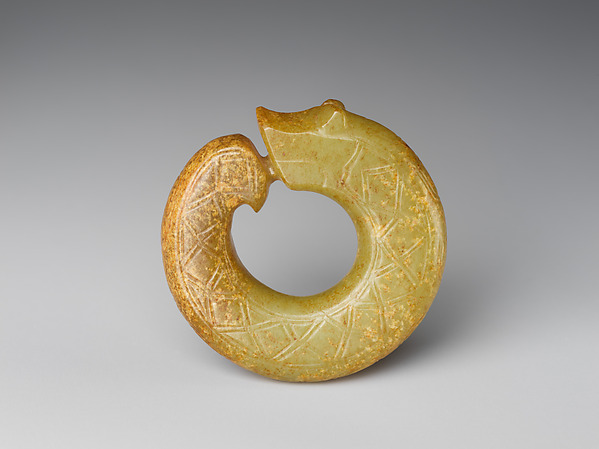
    Pendant in the shape of a coiling dragon

    玉 · yù

    Jade (nephrite) · 13th–12th century BCE · The Metropolitan Museum of Art

  2. Historical objects

    Amulet in the Form of a Seated Figure with Bovine Head

    牛首玉人 · niú shǒu yù rén

    Jade (nephrite) · c. 4700–2920 BCE · The Cleveland Museum of Art

  3. Historical objects

    Ruyi Scepter

    如意 · rúyì

    Cloisonné enamel with gilt-bronze medallions · 18th–19th century · The Metropolitan Museum of Art

  4. Historical objects

    Ruyi sceptre

    如意 · rúyì

    Gold, turquoise, silk · Qianlong reign, 1736–1796; presented in 1783 · Smithsonian National Museum of Asian Art

Compare gemstone scratch resistance and its limits using the Mohs scale.

Explore the gemstone hardness chart →

Explore how different sources use names for dragon images and dragon sons.

Compare lists of Chinese dragons →

Read cultural motifs through their names, settings and original records.

Look closer at an object

Each object is linked to its museum record. A catalogue entry documents that object, not every object with a similar appearance.

Nephrite pendant carved as a coiling dragon
The Metropolitan Museum of Art · Public domain

玉 yù

Pendant in the shape of a coiling dragon

A small coiling dragon carved in nephrite, catalogued by The Met.

Object details and source
Date
13th–12th century BCE
Material
Jade (nephrite)
Collection
The Metropolitan Museum of Art · 2019.193.1
Place
China

The attribution describes this object; it does not identify another object or establish a single meaning for all dragon pendants.

View the museum record
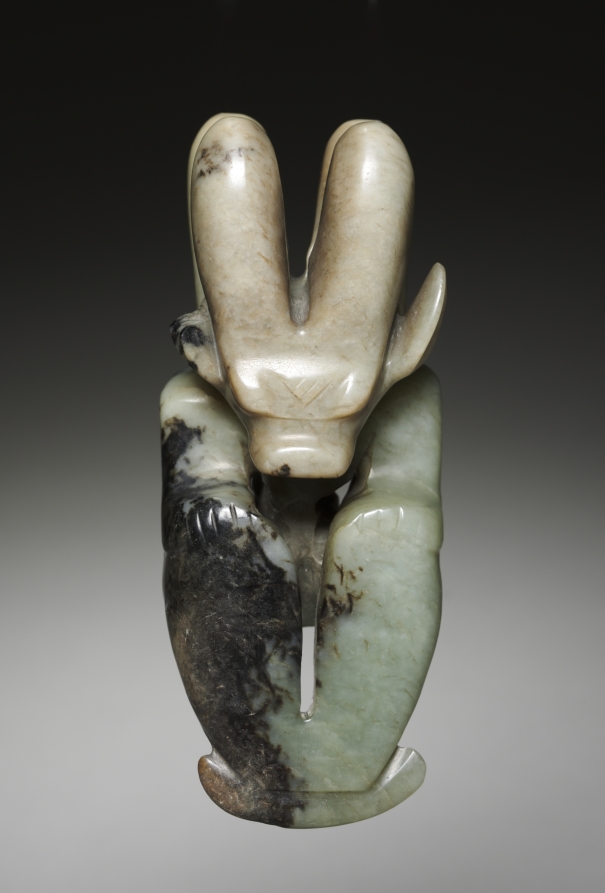
Nephrite figure with a bovine head
The Cleveland Museum of Art · CC0

牛首玉人 niú shǒu yù rén

Amulet in the Form of a Seated Figure with Bovine Head

A nephrite figure tentatively associated with Hongshan culture.

Object details and source
Date
c. 4700–2920 BCE
Material
Jade (nephrite)
Collection
The Cleveland Museum of Art · 1953.628
Place
Northeast China; probably Hongshan culture

The museum describes the cultural attribution as probable; the original meaning is not established by shape alone.

View the museum record
Ruyi scepter in cloisonné enamel and gilt bronze
The Metropolitan Museum of Art · Public domain

如意 rúyì

Ruyi Scepter

A Chinese ruyi scepter in cloisonné enamel and gilt bronze.

Object details and source
Date
18th–19th century
Material
Cloisonné enamel with gilt-bronze medallions
Collection
The Metropolitan Museum of Art · 29.110.45
Place
China

A dated scepter is not proof of the origin or universal meaning of every ruyi-shaped design.

View the museum record

如意 rúyì

Ruyi sceptre

A scepter with turquoise bats and peaches, recorded as a gift to the Qianlong emperor.

Object details and source
Date
Qianlong reign, 1736–1796; presented in 1783
Material
Gold, turquoise, silk
Collection
Smithsonian National Museum of Asian Art · F1937.45
Place
China

Provenance research is underway. The website states usage conditions apply to the image; no image is reproduced here.

View the museum record

A reference, with room for uncertainty.

Material identity, a historic object and a traditional interpretation are different kinds of evidence. We show the source and its limits alongside each claim.

Our editorial approach →

Manage the same analytics choice used across OrientLore.