
Names & cultural context
Chinese flowers: names, meanings and art
Choose a flower, then read the setting. These three starting points lead to existing guides, rather than repeating their full histories.
AI-assisted local candidate · Sources checked 28 October 2026 · Independent language and cultural-history review pending.
Compare three flower motifs
The short comparisons below are based on the Smithsonian’s Selected Illustrated Guide to Common Chinese Symbols (PDF, pages 1–2). They describe cultural interpretations, not medical properties or guaranteed outcomes.
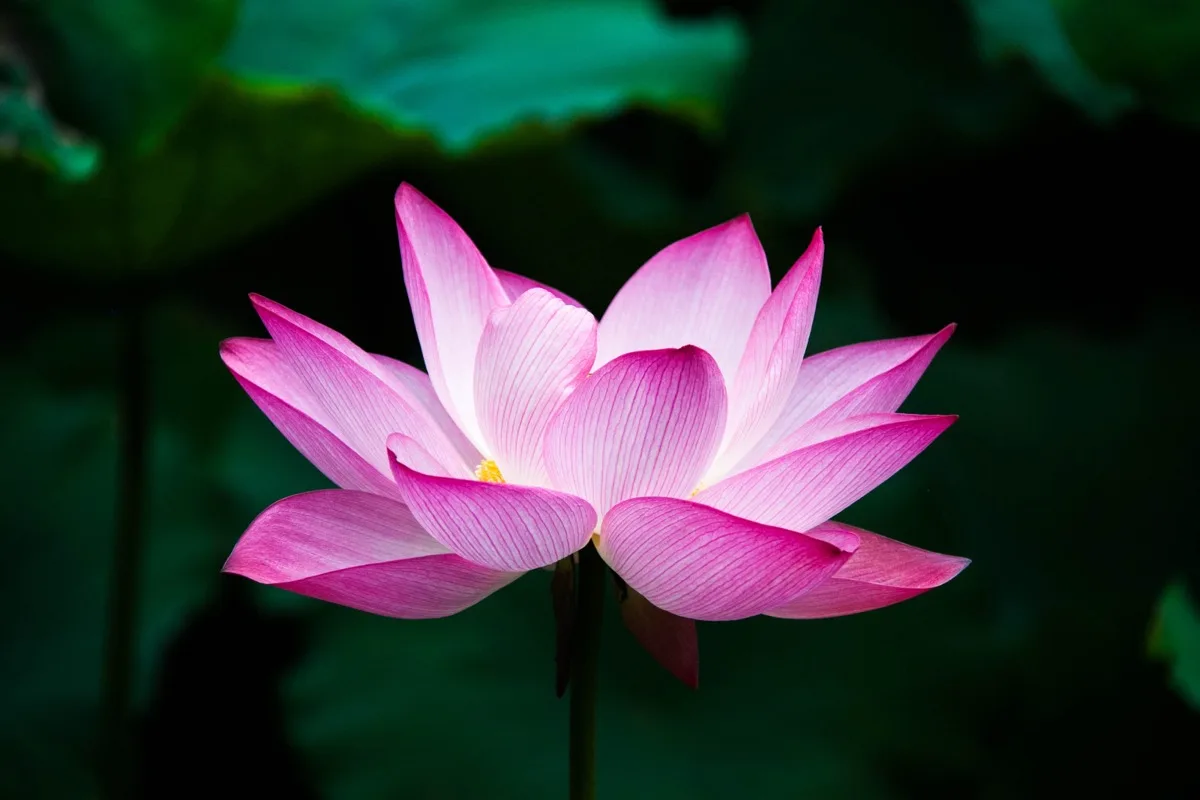
Lotus
蓮 / 荷 · lián / hé
The Smithsonian worksheet connects lotus imagery with purity and with wordplay on harmony or continuity. Religious images and decorative compositions need their own context.
Read lotus in Buddhist, literary and seasonal settings →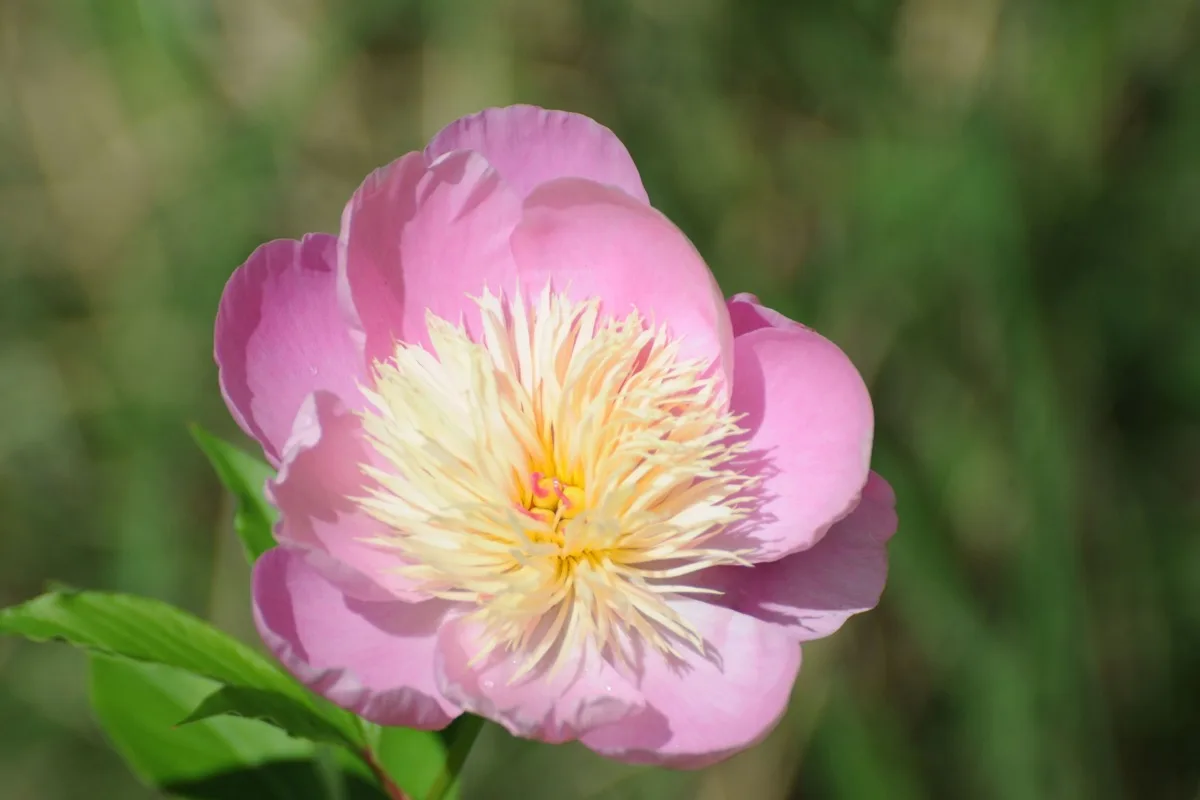


Peony
牡丹 · mǔdan
The worksheet associates the peony with wealth, honor and courtly settings. A peony beside another motif may express a more specific wish.
Read the peony’s art and courtly associations →Plum blossom
梅花 · méihuā
The worksheet relates plum blossom to spring, perseverance and purity, and places it with pine and bamboo in the Three Friends of Winter.
Read plum blossom in painting and later contexts →A name is not a botanical identification
These are reading aids for the linked cultural guides. English common names and Chinese written terms do not by themselves identify every plant or every painted blossom. For a living specimen, compare a reliable botanical record; for an object, begin with its catalogue and material.
The worksheet’s peony heading prints 牧丹. This guide uses the spelling 牡丹 found in our existing peony article rather than silently copying that discrepancy. The new Mandarin labels still need independent language review.
How to read flowers in Chinese art
- Identify the plant as far as the original record allows; keep uncertain identifications visible.
- Look at the whole composition, including other plants, inscriptions and the intended occasion.
- Ask whether an interpretation comes from the object’s record, a named teaching resource or a modern seller.
A wish for a good marriage, long life or prosperity is not evidence of a physical effect. This page is a cultural reading hub, not a complete catalogue of Chinese flora, a flower-delivery directory or a medical guide.
Sources and further reading
- Smithsonian National Museum of Asian Art: Selected Illustrated Guide to Common Chinese Symbols — teaching worksheet, pages 1–2; flower associations and written-name comparison.
- Lotus, peony and plum blossom — existing OrientLore articles with their own source records and review histories.
The existing lotus and peony photographs are reused under their recorded CC0 licenses, with original file links above. A plum-blossom photograph is not reused here because its licensing record was not located during this check. No worksheet illustration or substantial text is reproduced. Citation does not grant permission to reuse the PDF’s images.
Next: read the lotus guide, or browse other Chinese symbols.