
One moon. More than one story.
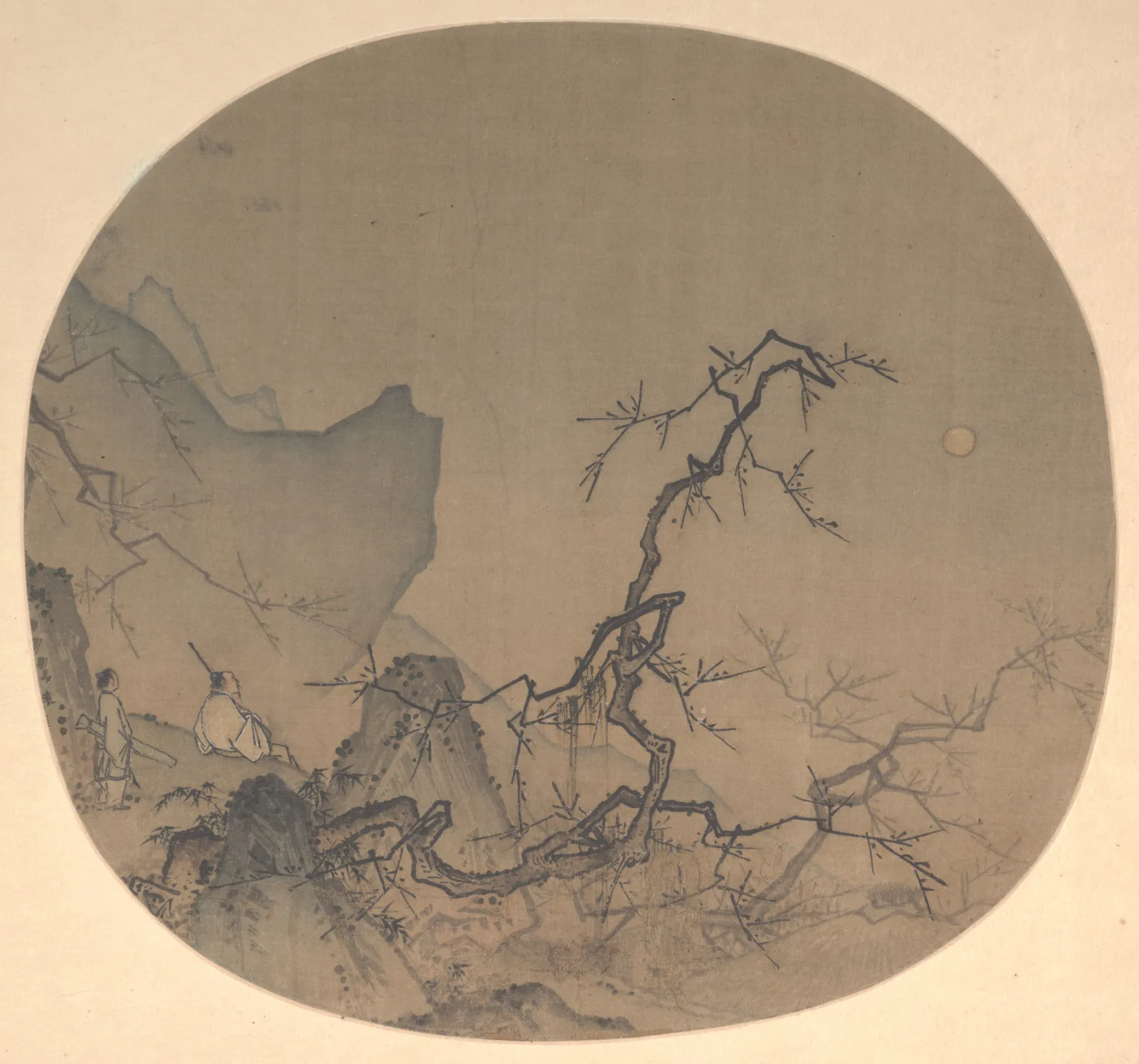
A round moon can be a calendar clue, a setting for a story, or a way of thinking about people far away. Those connections are worth following, but they are not interchangeable explanations. Begin with the question that brought you here: a festival date, a moon-goddess image, a box of mooncakes, or a tale you remember only in fragments.
This collection moves between calendrical structure, named versions of stories, and living Mid-Autumn practices. Read a date as a date, identify a telling before judging its characters, and let a household describe its own celebration. The Chinese examples here do not stand for every Asian moon festival. You can follow the three groups in order or choose the one that answers your immediate question.
Collection updated · 8 selected readings and tools
A useful first step. New to the subject? Begin with the Mid-Autumn guide, then compare its festival setting with the identified Chang’e telling. Use the calendar tools when you need a date, not as evidence for a legend.
First, place the date
A lunar month and a Gregorian date are different ways to describe a day. These two resources help you recognize the notation and make a conversion without guessing from last year’s celebration.
Reading a Chinese Lunar Date
Reference guide
Why this belongs here: Read the month-and-day format before attaching a festival name. This guide distinguishes lunar labels, leap months and the changing Gregorian equivalent.
As you read: Which part of the written date names the month, and which names the day?
Chinese Calendar Date Converter
Interactive tool
Why this belongs here: Move from the explanation to a specific date. The converter keeps regular and leap months explicit instead of treating a remembered Gregorian birthday as a lunar date.
As you read: Have you selected a regular month or a leap month?
Then, identify the telling
A shared cast is not a shared plot. Read the archer, the ascent and the rabbit as connected subjects that still need their own evidence. Keep a note of what each source actually says.
Chang’e: the woman in the moon
stories
Why this belongs here: Meet a clearly identified account of Chang’e’s ascent and compare the motives supplied by different sources. A moon-goddess association does not settle why she drinks the elixir.
As you read: What reason does this particular telling give for her decision?
Hou Yi and the ten suns: which story are we telling?
stories
Why this belongs here: Separate the sun-shooting episode from the elixir passage. This helps you notice where a later retelling joins episodes rather than assuming one continuous ancient plot.
As you read: Which links between the episodes are stated, and which are added?
Rabbit in the Chinese Zodiac
Reference guide
Why this belongs here: Follow Rabbit from the year cycle into the guide’s wider imagery and stories. The same animal can appear in more than one cultural setting without carrying one universal message.
As you read: Are you looking at a calendrical animal or a figure in a story?
Finally, return to people
A story may be familiar to a family without defining everything they do. These readings connect the moon with actual gatherings and give you a manageable route for comparing, rather than collapsing, the material.
Mid-Autumn Festival: gathering under the moon
traditions
Why this belongs here: Start here for the festival itself: mooncakes, lantern activities, gathering and variation in Singapore examples. It keeps social participation distinct from assuming a religious observance.
As you read: What does the host say this evening means to their household?
Story Paths: read Chinese stories in context
Reference guide
Why this belongs here: Use the moon reading path when you want an order for a longer session. Its comparison questions connect Hou Yi, Chang’e and Mid-Autumn without making myth the festival’s complete origin.
As you read: How does a story about separation sit beside a gathering associated with reunion?
An invitation, not an etiquette test
traditions
Why this belongs here: If you are attending rather than only reading, begin with permission, practical needs and the organiser’s guidance. A public lantern event and a private family gathering offer different kinds of access.
As you read: Have you been invited to watch, to join, or to help?
Take the connection, keep the differences.
Leave with three distinct things: a calendar reference, an identified story version, and a better question for the people celebrating. None needs to stand in for the others.
This is a selected reading collection, not an exhaustive survey. The linked articles carry their own sources and review dates. These background references support those articles; the grouping and reading questions are OrientLore’s synthesis, not an endorsement by the institutions.
How we research and write →Sources & further reading
- Mid-Autumn Festival: living heritage in SingaporeNational Heritage Board, Singapore
- Chang’e: deity and variations of the legendThe British Museum
- Hou Yi: the nine-suns outline and festival associationThe British Museum