
Look at the object, not just the symbol.
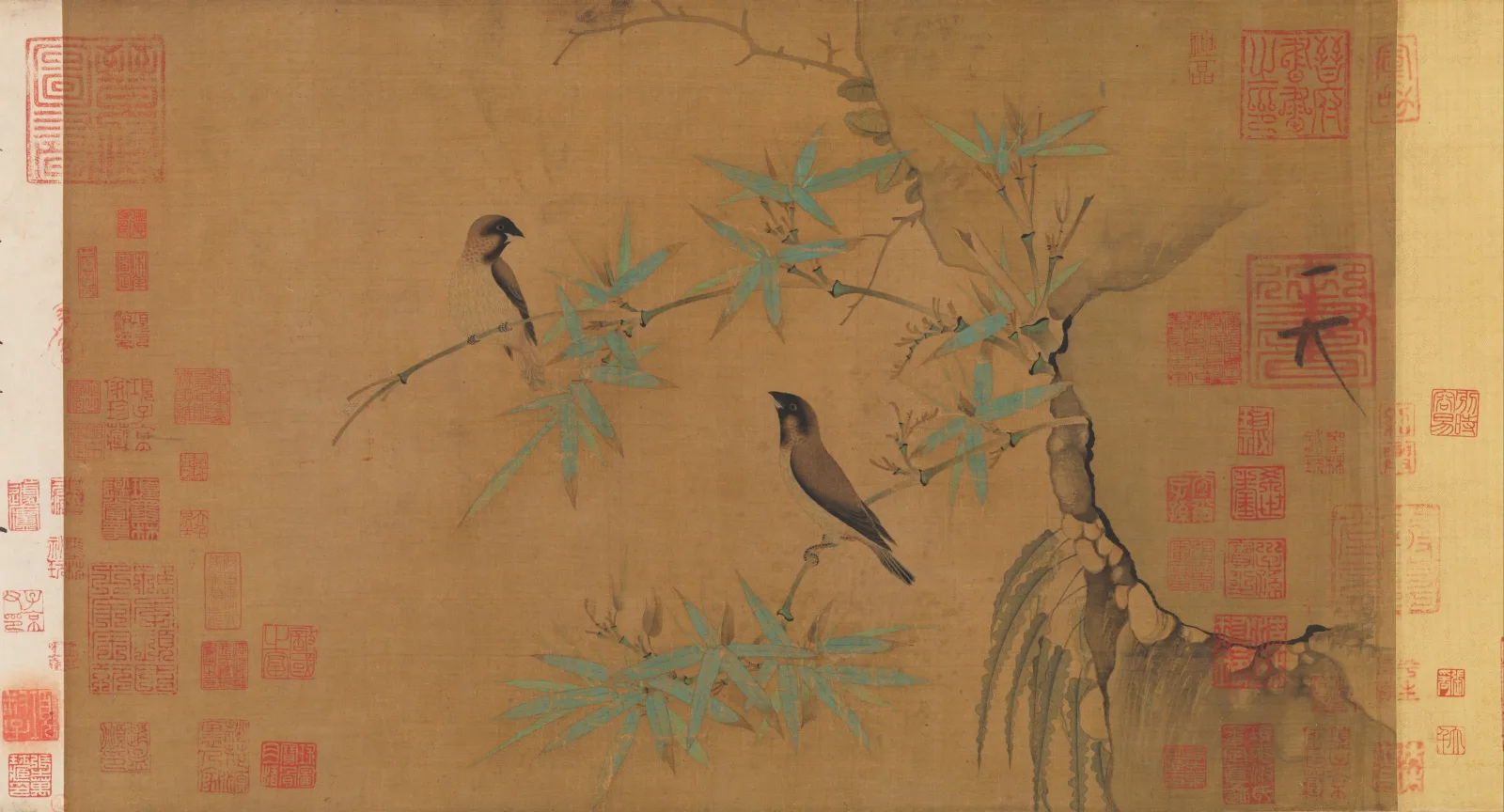
A motif is a useful clue, not a complete label. Bamboo can be a living plant or a subject for brushwork; jade can be an ornament or a ceremonial object. Materials, form, inscriptions, companions and documented use help explain what a particular work is doing. A dictionary-style meaning cannot supply those details on its own.
This collection offers a way to look more carefully, whether you are visiting a museum, reading a catalogue or asking about an object at home. Begin with what you can observe, then use the linked guides and object records to test an interpretation. The pages introduce selected Chinese examples rather than surveying all Chinese art. They do not authenticate objects, date an unrecorded piece, assess its price or certify spiritual effects.
Collection updated · 8 selected readings and tools
A useful first step. Choose an object or image you can actually examine. Write down its material, form and any inscription before reading a symbolic interpretation. Start with jade for material questions, or bamboo for the relationship between an image and the brush.
Start with material and making
What a work is made from and how it is handled can change the questions you ask. These guides offer three distinct starting points rather than one general claim about “Eastern symbolism.”
Jade: a material full of meaning
symbols
Why this belongs here: Separate material identification from cultural interpretation. Ceremonial forms, carved animals and ornaments invite different questions; colour or a protective association does not authenticate a stone.
As you read: What is documented about this object beyond its colour and the name “jade”?
Bamboo: the gentleman of the scholar’s garden
symbols
Why this belongs here: Notice stalks, joints and leaves as brushwork as well as botanical features. The guide’s specific painting examples connect observation with calligraphy and inscriptions.
As you read: How does the way a stroke is made contribute to the image?
Plum blossom: winter flower, literary emblem, modern symbol
symbols
Why this belongs here: Follow plum blossom into seasonal, literary and visual settings instead of assigning a slogan to every flowering branch. Identify the subject before comparing its associations.
As you read: What supports identifying this flower as plum rather than cherry blossom?
Read the setting and the companions
A flower beneath a religious figure, a bird on a garment and a garden scene do not offer the same evidence. Look at the whole composition before deciding which association is relevant.
Lotus: meanings across religion, literature, and art
symbols
Why this belongs here: Compare religious imagery, a scholar’s literary flower and seasonal painting. The guide explains why a familiar association with purity does not exhaust every lotus image.
As you read: Which surrounding figures, words or objects make a particular reading plausible?
Peony: from courtly flower to auspicious motif
symbols
Why this belongs here: Follow the flower across garden appreciation and decorative compositions. Wealth and honour are contextual associations, not a guarantee attached to owning a peony object.
As you read: What do the medium, companions and intended audience add to the flower?
Crane: longevity, rank, and the immortal bird
symbols
Why this belongs here: Read a bird through its setting and companions rather than treating longevity as the only possible caption. A cultural wish is different from a claim about health or lifespan.
As you read: Is the interpretation supported by this object’s composition or only by a general label?
Keep language and evidence close
Images can work with sound and writing as well as resemblance. A term can open a useful line of enquiry, but a translation is still only a starting point.
Bats and blessings: how 蝠 becomes 福
symbols
Why this belongs here: Meet a visual association that depends on a Mandarin sound connection. This helps explain why a bat image cannot be read only through the animal’s reputation in another culture.
As you read: Does the explanation depend on a spoken word, a written character, or both?
Chinese cultural glossary
Reference guide
Why this belongs here: Keep characters, Mandarin pinyin and contextual definitions together when a label introduces an unfamiliar term. Each entry leads back to an article rather than pretending to be an exhaustive dictionary.
As you read: Can you trace the short definition back to a full, sourced context?
Take the connection, keep the differences.
A careful description is more useful than a confident guess: name what you can see, identify the evidence you have, and leave an uncertain interpretation open.
This is a selected reading collection, not an exhaustive survey. The linked articles carry their own sources and review dates. These background references support those articles; the grouping and reading questions are OrientLore’s synthesis, not an endorsement by the institutions.
How we research and write →Sources & further reading
- Bamboo and rockThe Metropolitan Museum of Art
- Chinese Decorative Arts, The Metropolitan Museum of Art Bulletin (1997)The Metropolitan Museum of Art
- Lotus and waterbirds, ca. 1300The Metropolitan Museum of Art