
A new year begins with people.
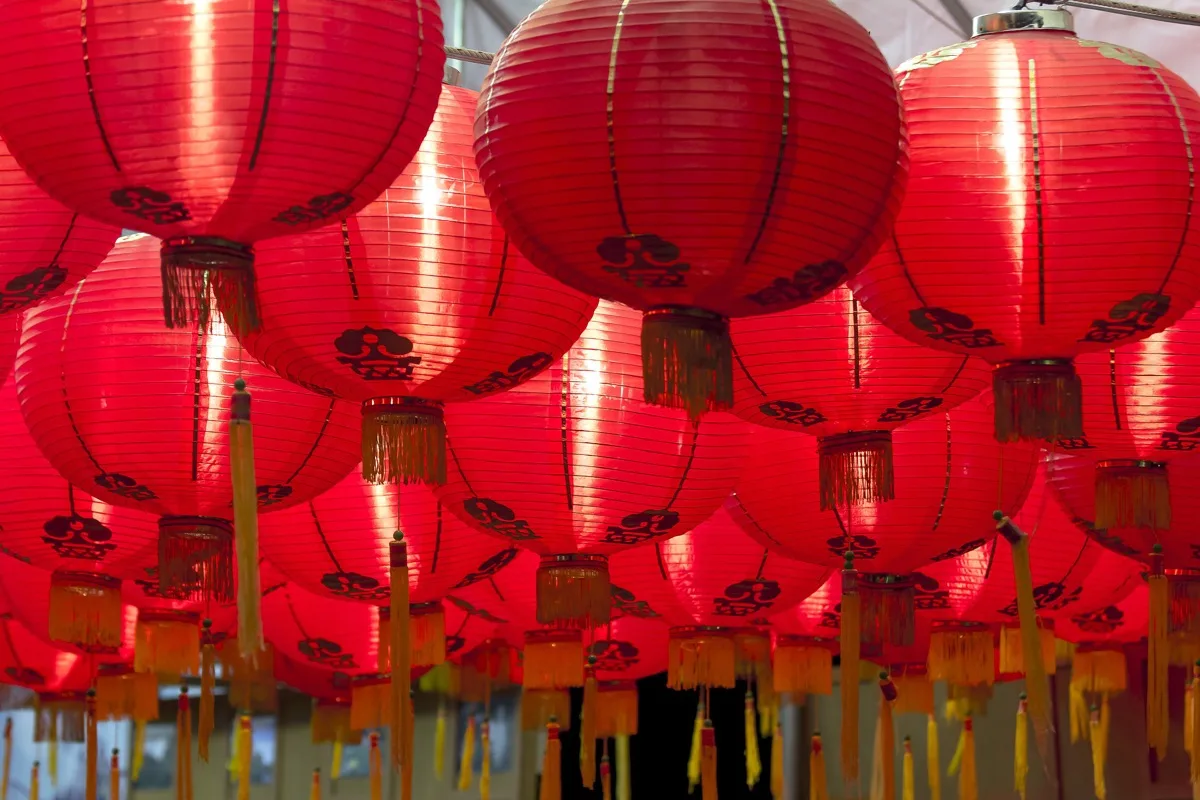
A date tells you when a year changes; it does not tell you what every family will do. Chinese Spring Festival can bring together reunion, visits, gifts, greetings and observances that differ by place and household. Start with a practical question, then make room for the people who give a familiar custom its meaning.
These readings focus on Chinese New Year contexts. Lunar New Year is also celebrated in other cultures, whose names and practices should not be treated as copies of one Chinese template. Here you can find the date, prepare for an invitation, or look more closely at a red packet, a written blessing or an animal-year label. Auspicious language expresses wishes; it does not promise a particular year ahead.
Collection updated · 8 selected readings and tools
A useful first step. If you are preparing for your first invitation, read the Spring Festival introduction and the red-envelope guide before looking for a gift formula. Confirm the host’s plans and local event details separately from the festival date.
Find the date, understand the movement
Do not reuse last year’s Gregorian date. The calendar resources answer two different questions: when the occasion falls in a chosen year, and why that date moves.
Chinese Festival Calendar
Reference guide
Why this belongs here: Look up the year’s festival dates and keep the traditional calendar context visible. A listed New Year date does not supply the schedule of a parade, performance or family visit.
As you read: Do you need the festival date or a particular event’s timetable?
Why Lunar New Year Changes Date
Reference guide
Why this belongs here: Understand the lunisolar relationship behind a moving Gregorian date. This is the useful next step when a date lookup raises the question of why January and February keep changing.
As you read: Which calendar supplies the festival’s month-and-day label?
Make the invitation specific
Broad etiquette lists rarely know the room you are entering. Read the background, then ask about the actual gathering, the people attending and anything you need to prepare.
Lunar New Year: making time for reunion
traditions
Why this belongs here: Begin with Chinese Spring Festival as a combination of calendar, reunion and changing household practice. The introduction avoids treating one meal or ritual as a test of authenticity.
As you read: Which parts of the celebration does this family choose to keep or adapt?
Red envelopes: a gift and a greeting
traditions
Why this belongs here: Understand who gives to whom and why the relationship matters. Singapore examples help explain the gift without creating a universal amount, recipient list or obligation.
As you read: Who can clarify this family’s expectations without putting a recipient on the spot?
An invitation, not an etiquette test
traditions
Why this belongs here: Prepare for watching, joining, helping or declining a specific action. The guide’s English questions are practical tools for an invitation, not a script everyone must follow.
As you read: What would be useful to ask before the visit rather than during a ceremony?
Notice the words, animals and closing festival
A written wish, an animal-year name and a lantern gathering have different jobs. Follow each into its own context rather than reading every red decoration as the same promise of luck.
The fu character: why 福 is sometimes upside down
symbols
Why this belongs here: Look at the Fu character and its Mandarin sound play before deciding why a display is inverted. The article keeps household variation visible and does not claim the paper produces an outcome.
As you read: Is your explanation about language, placement, or an unsupported prediction?
Chinese Zodiac Finder
Interactive tool
Why this belongs here: Find the animal associated with a birth date using the Lunar New Year boundary. This makes the year cycle legible without turning it into a personality assessment.
As you read: Does a January or February birthday fall before the year’s boundary?
Lantern Festival: one more evening together
traditions
Why this belongs here: Continue beyond New Year’s first day into the first-month Lantern Festival. Its guide distinguishes gatherings, lantern activities and regional food names instead of assuming one closing-night programme.
As you read: Which local activities welcome visitors, and which need booking or an invitation?
Take the connection, keep the differences.
Useful preparation means knowing the date, understanding the occasion and asking the host a clear question—not mastering a universal list of taboos.
This is a selected reading collection, not an exhaustive survey. The linked articles carry their own sources and review dates. These background references support those articles; the grouping and reading questions are OrientLore’s synthesis, not an endorsement by the institutions.
How we research and write →Sources & further reading
- Through the SeasonsSmithsonian Folklife Festival
- The Gifting of Red Packets in SingaporeSG101, Government of Singapore
- The custom and changing forms of posting the fu character (in Chinese)National Office for Philosophy and Social Sciences