
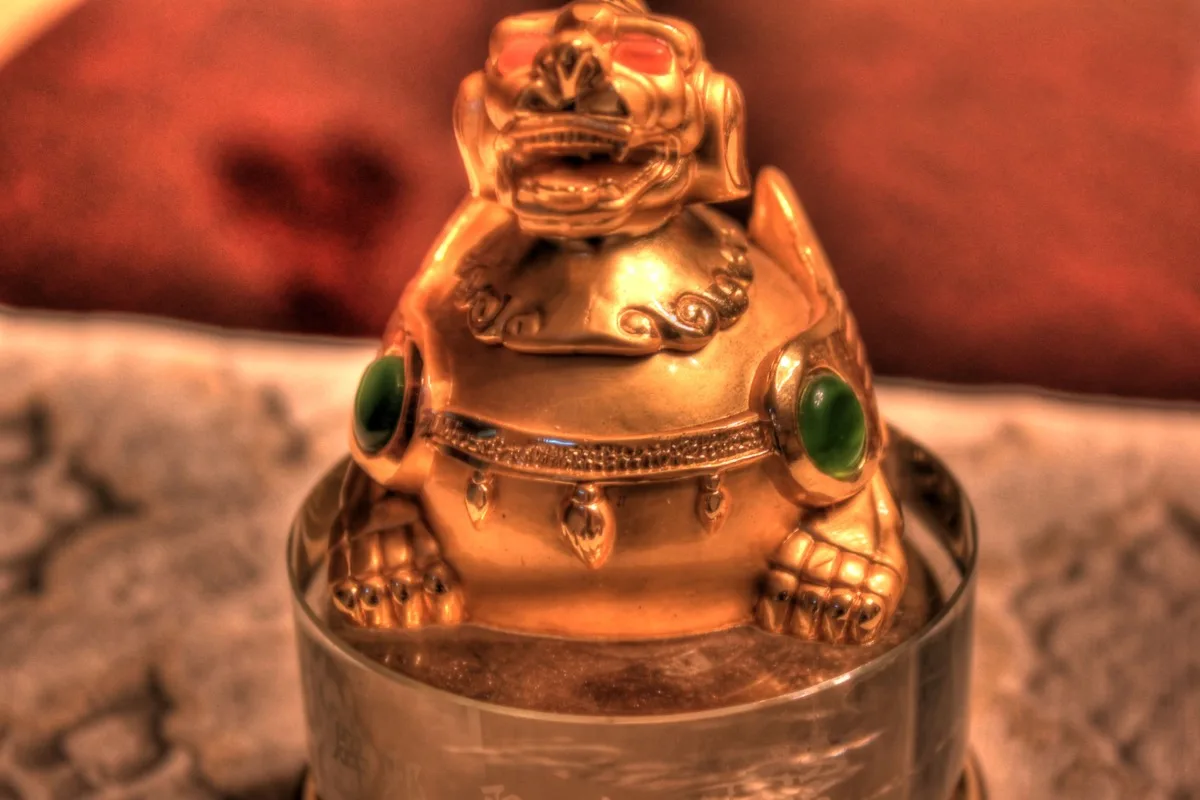
貔貅
Pixiu: a mythical guardian
A fierce-looking mythical beast associated with protection and prosperity, whose appearance and names have changed across contexts.
Read the guideDiscover the stories behind familiar Chinese motifs—from jade and mythical creatures to flowers and written wishes. Explore what they mean, and how context shapes their meaning.
Browse the collection Compare wishes for prosperity Lotus 蓮Discover its meaning
A written character, a carved animal, a currency sign and a state emblem need different references. Start with the question you have.
Start with a name, or explore a meaning that interests you.
A fierce-looking mythical beast associated with protection and prosperity, whose appearance and names have changed across contexts.
Read the guide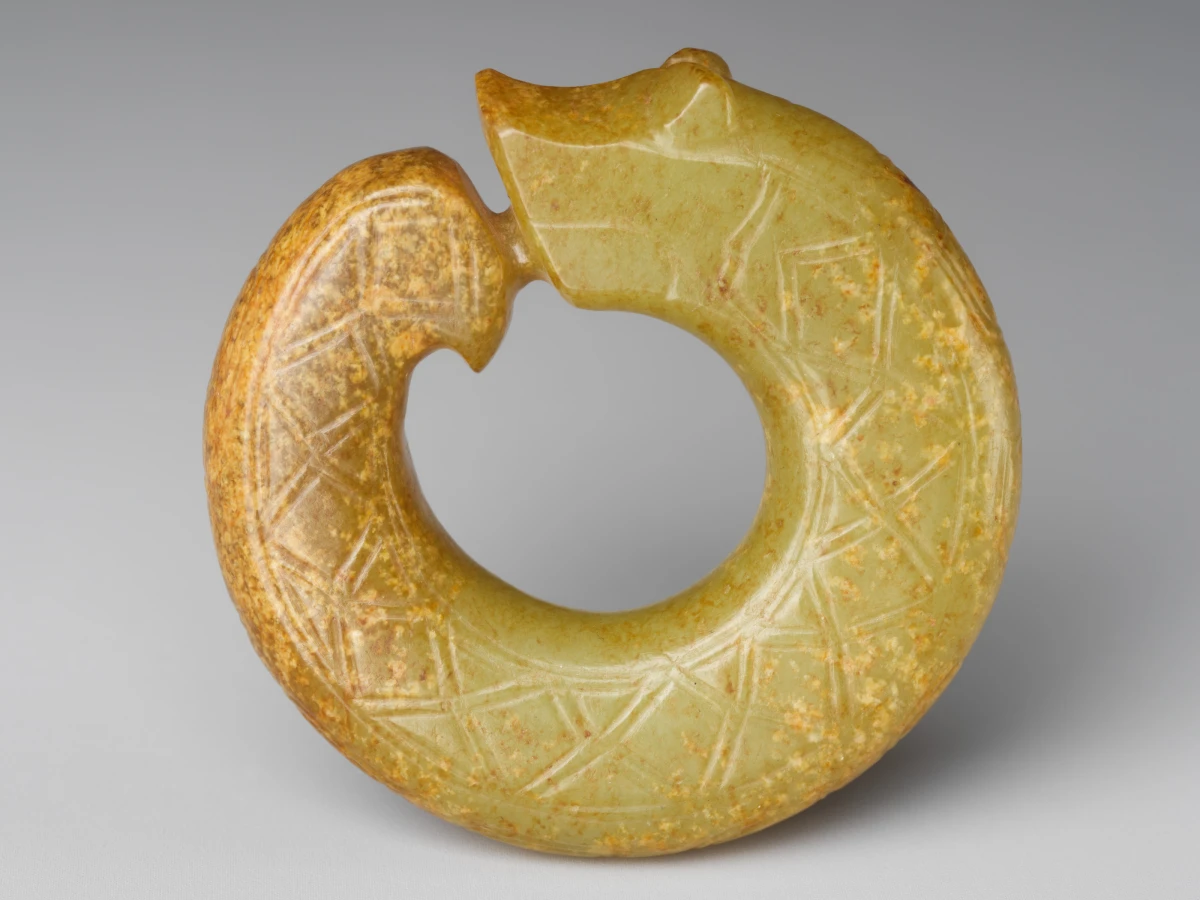
Jade’s importance in Chinese art comes from its material qualities, skilled workmanship, and layers of ritual and personal meaning.
Read the guideThe lotus moves between Buddhist images, literary ideals, seasonal painting, and modern decoration; its meaning changes with the setting.
Read the guide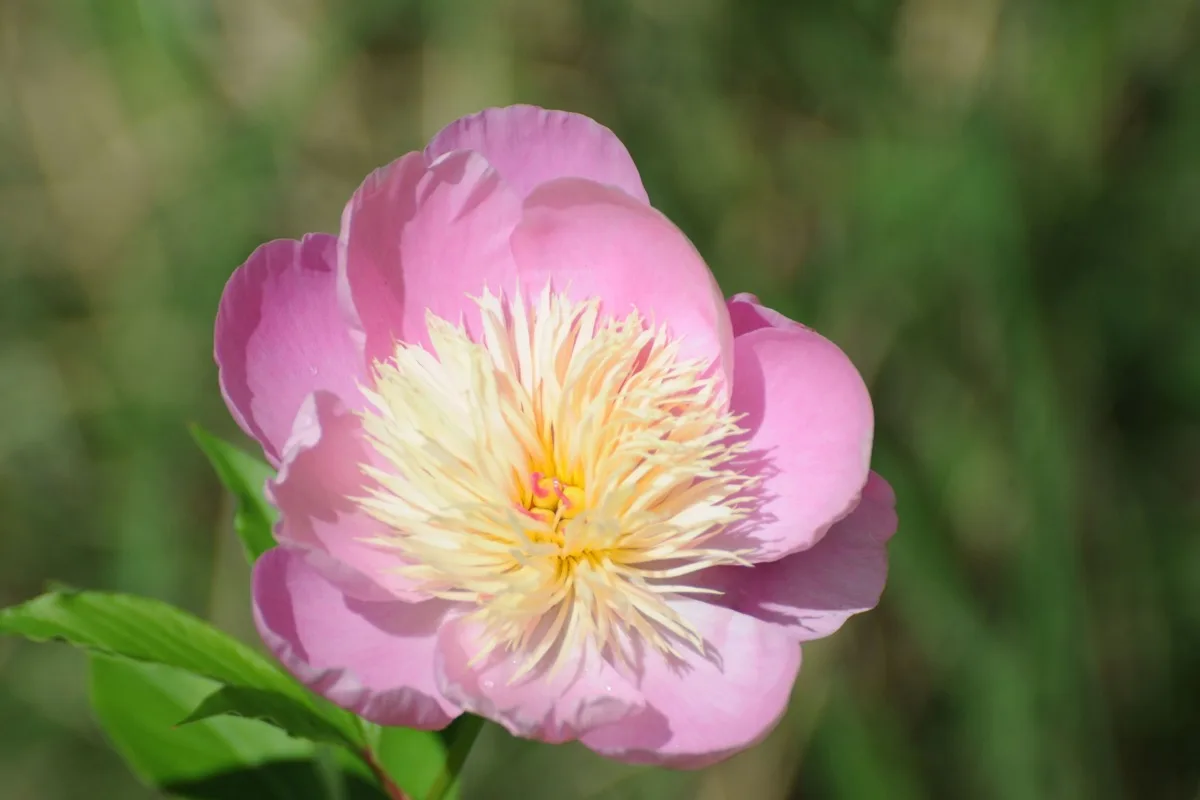
The peony’s courtly reputation, painted beauty, and associations with wealth and honor developed through particular historical and artistic settings.
Read the guide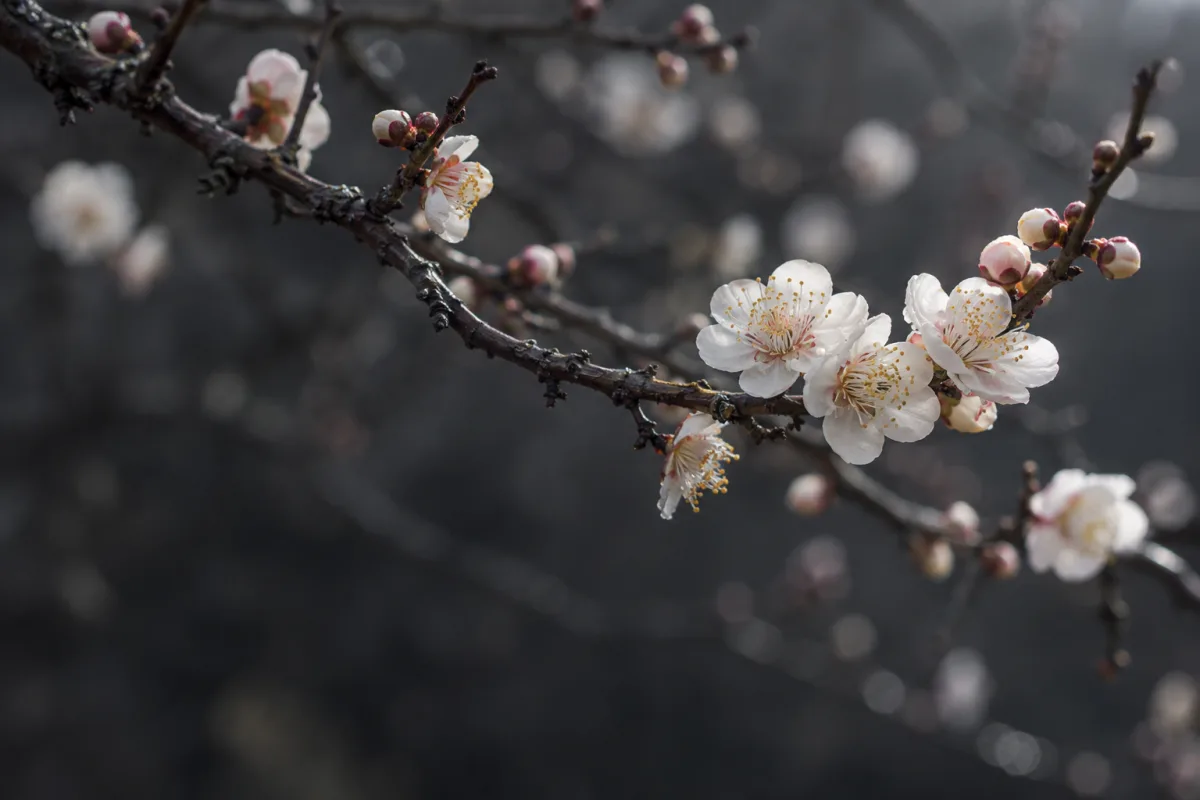
The plum blossom connects an early sign of spring with literati painting, moral endurance, and a distinct modern political history.
Read the guide
Bamboo became a major subject of scholar-painters through the meeting of close observation, calligraphic brushwork, and ideals of flexible integrity.
Read the guide
The crane moves between observed nature, paintings of longevity, Daoist immortals, and the precise rank language of Qing court dress.
Read the guide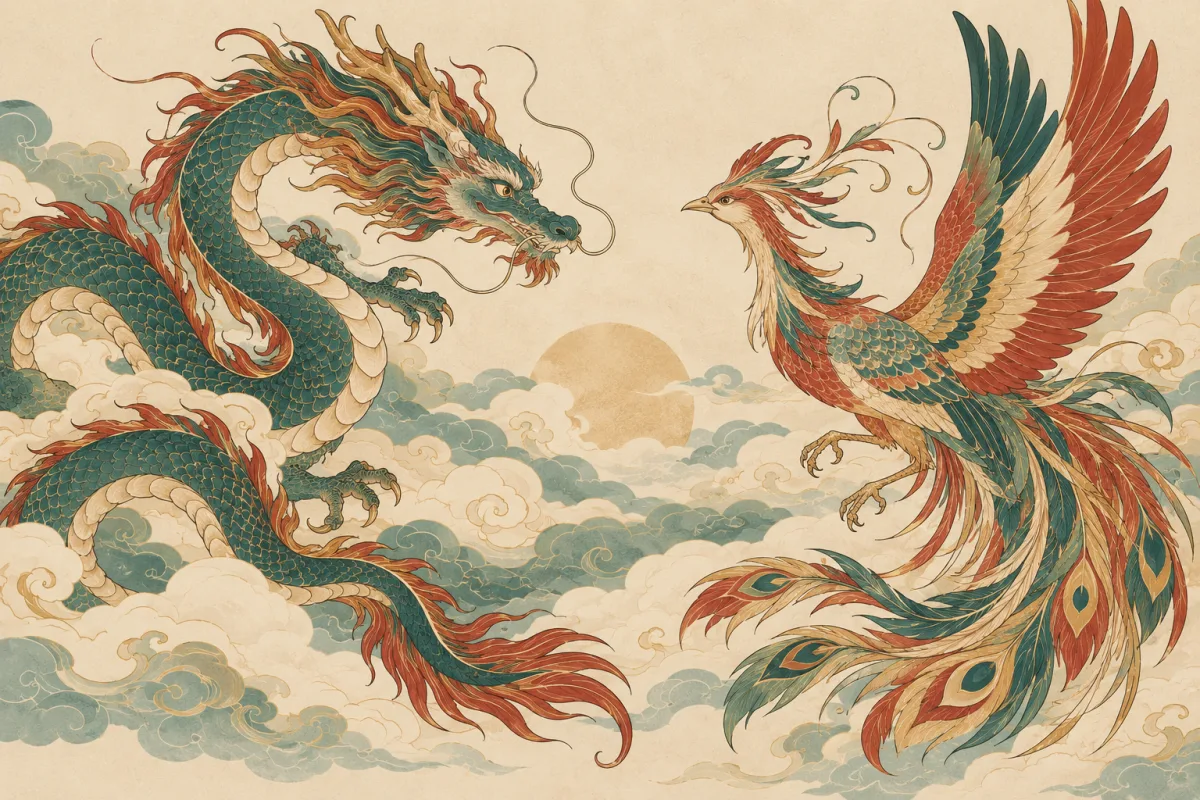
Dragon-and-fenghuang pairings can refer to imperial authority, marriage, prosperity, or balanced partnership, but those readings were shaped by particular objects and social settings.
Read the guide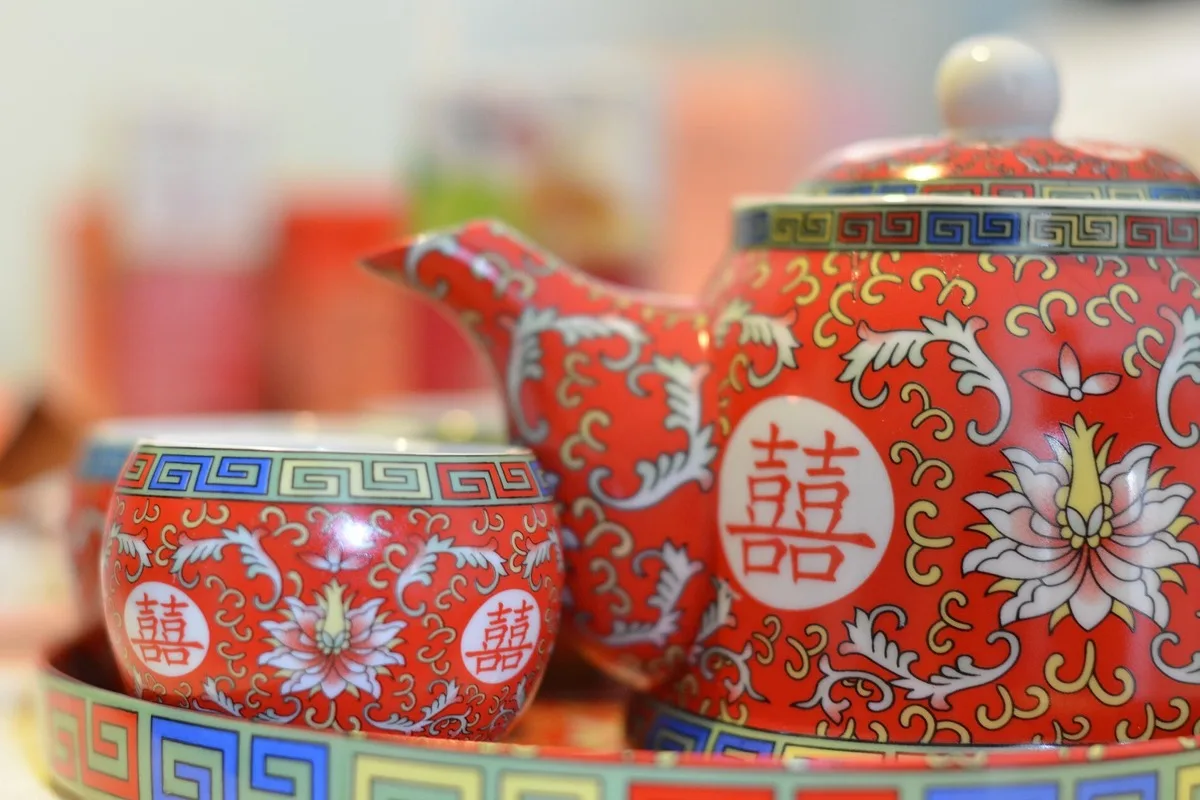
The double happiness character joins two 喜 characters into a wedding emblem—a wish for shared joy, not a promise about a marriage.
Read the guide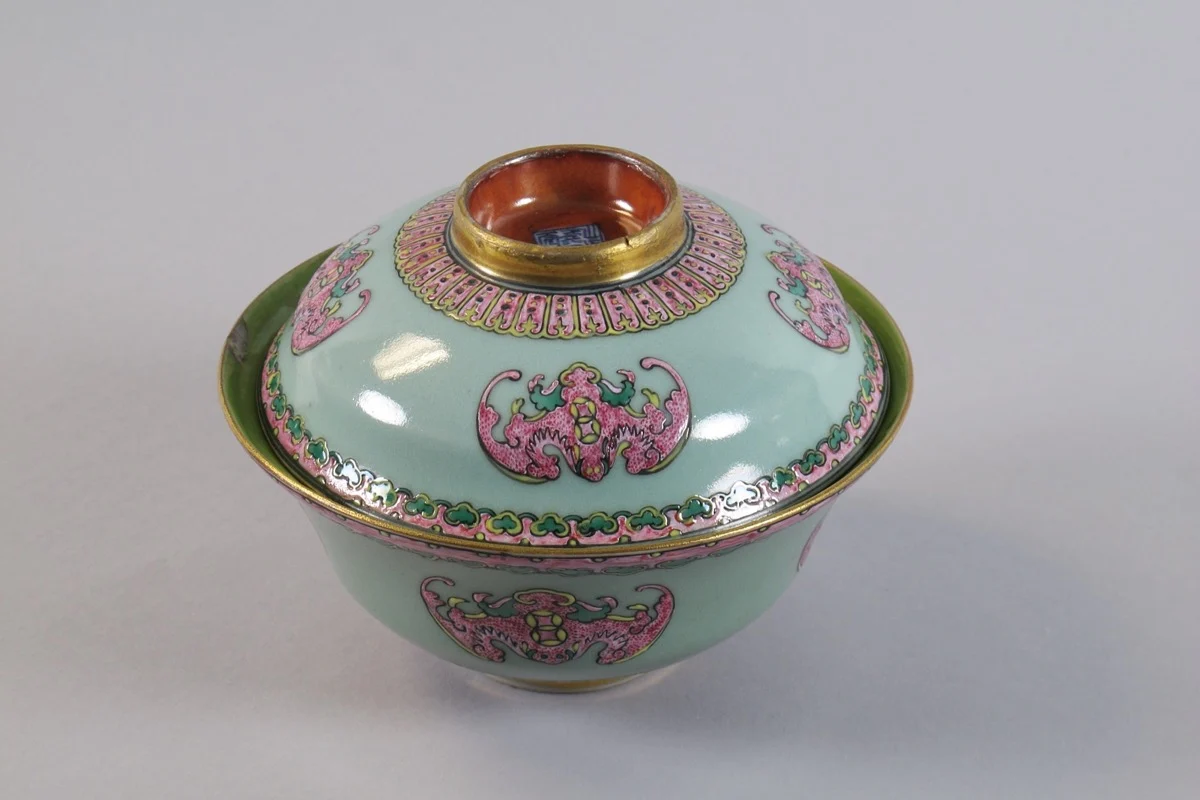
Bat imagery can become a visual wish for blessing because 蝠, “bat,” and 福, “blessing,” are homophones in Mandarin—but the surrounding object completes the message.
Read the guide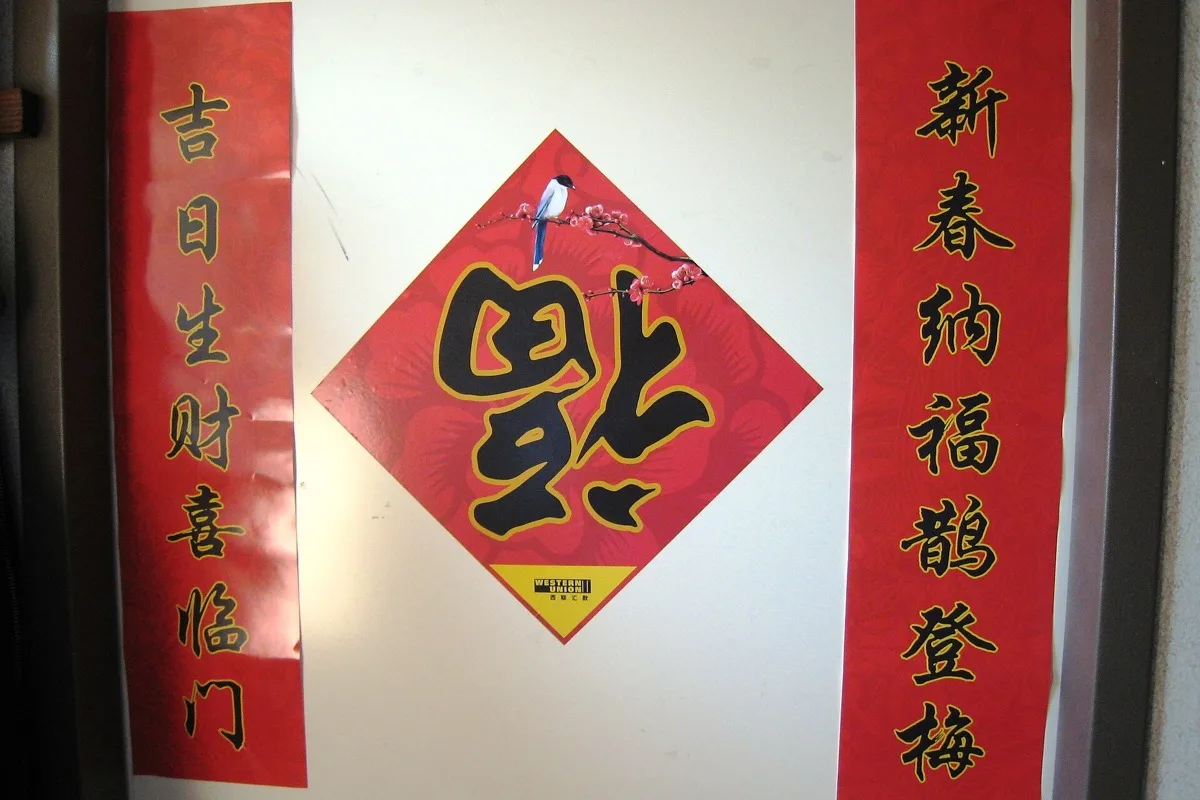
福 expresses blessing and well-being; turning it upside down can activate a Mandarin pun, but placement practices are not universal.
Read the guide
In traditions surrounding the matchmaker Yue Lao, a red thread gives form to the hope of meeting a partner.
Read the guide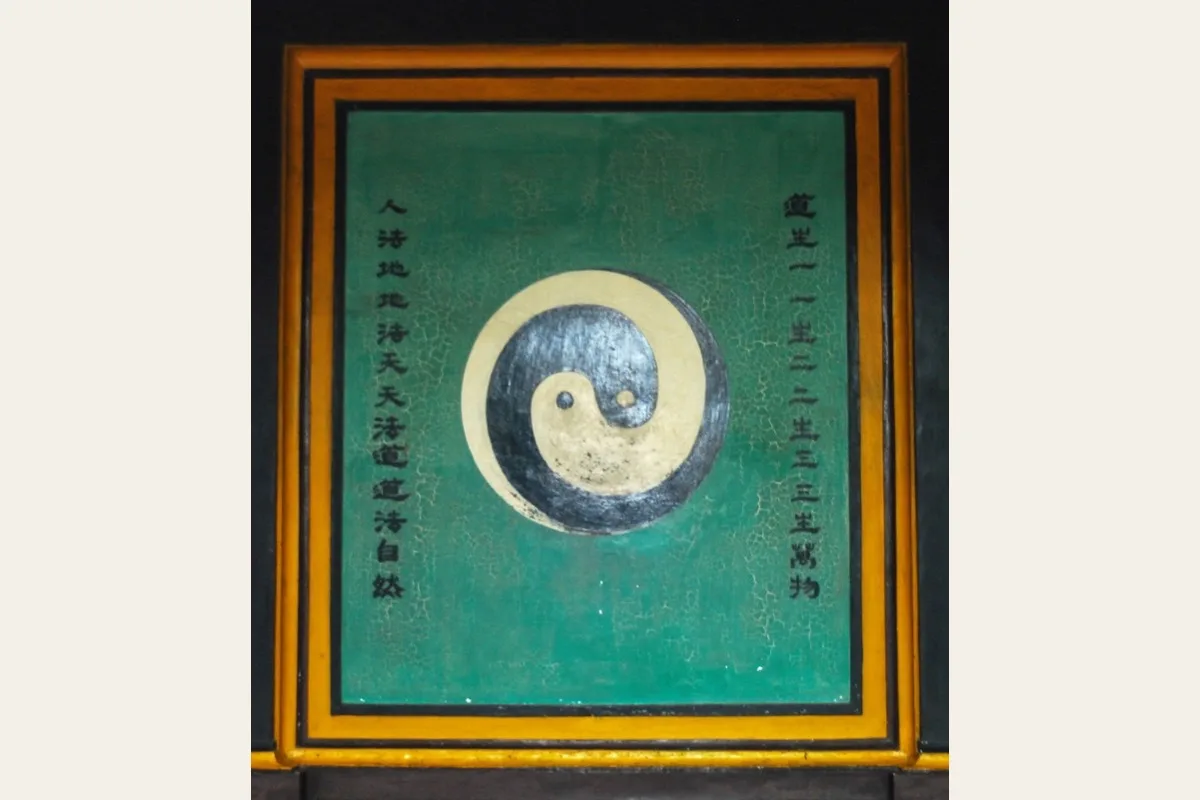
Yin and yang describe interacting, changing relationships in Chinese thought, rather than a contest between good and evil.
Read the guideThe People’s Republic of China has constitutionally identified state symbols; familiar flowers and artistic motifs belong to a different kind of cultural history.
Read the guideFour directional images organize groups of lunar mansions and also appear in historical art; they are distinct from the twelve zodiac animals.
Read the guideLotuses, Dharma wheels, and sets of auspicious emblems appear in Chinese Buddhist art, court textiles, and decorative objects with different functions.
Read the guideChinese writing uses characters, called hanzi. A character’s reading, a word’s meaning and a decorative motif are different things; this chart gives a useful first distinction.
Read the guideA practical chart for reading Chinese numerals, with examples showing how eleven, twenty, hundreds and dates are written.
Read the guideRenminbi names the currency of the People’s Republic of China; yuan is its main unit. The characters and abbreviations around a price make the amount clearer.
Read the guideA pendant’s material, shape, inscription and documented history answer different questions. Start with what is actually present before assigning a meaning.
Read the guideDistinguish a character’s dictionary gloss from an intended message, compare two strength-related examples, and review script, direction and lettering as separate decisions.
Read the guideThe Blessing & prosperity filter brings together different kinds of imagery. Choose a starting point by what you are looking at; these are cultural associations, not a promise of financial results.
Read how wishes and cultural meanings differ from predictions, then follow each article’s sources for the objects it discusses.