
Begin with the people in the room.
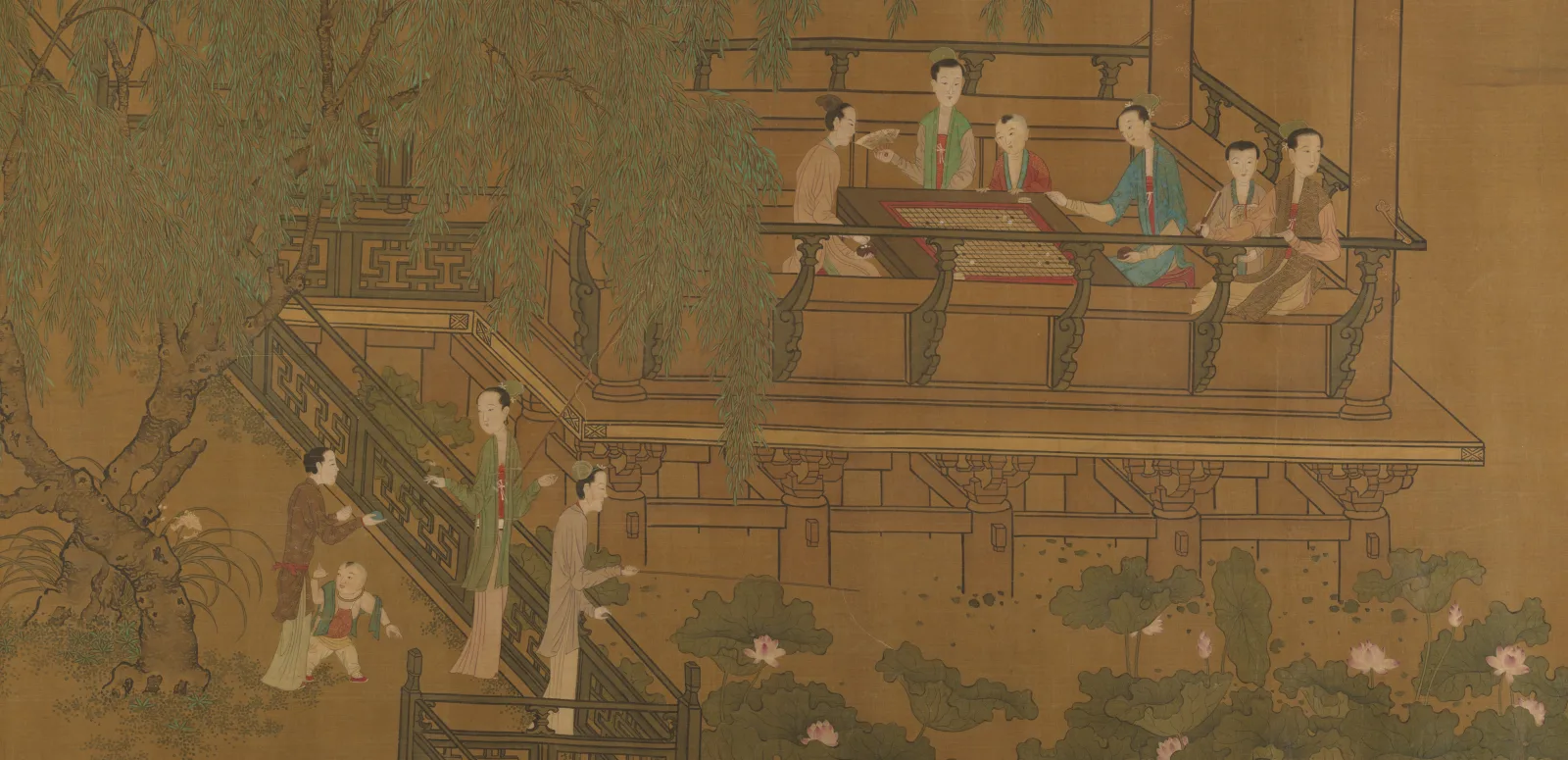
An invitation, a cup of tea and a remembered relative all involve relationships, but they do not ask the same thing of a guest. “Chinese family tradition” is too broad to decide how one household welcomes visitors, arranges a wedding or remembers its dead. Begin by finding out whose occasion it is and what they want to share.
This collection connects practical guides with the images and language that may appear around them. It is useful for a first visit, a cross-cultural wedding conversation or a respectful question about remembrance. None of the readings can decide a family’s religious commitments or your own. Ask about names, roles, access, photographs and comfortable alternatives; let a specific answer matter more than an assumed cultural rule.
Collection updated · 8 selected readings and tools
A useful first step. For an upcoming visit, start with respectful participation and tea hospitality. For wedding planning or remembrance, go directly to that group and discuss the actual gathering before borrowing an example from another family.
Accept a welcome without guessing
A little preparation should make a conversation easier, not make you anxious about performing correctly. These guides keep the host’s wishes and your practical needs in the same frame.
An invitation, not an etiquette test
traditions
Why this belongs here: Use concrete questions about the invitation, photography and participation. The guide includes ways to decline an action kindly without claiming that one substitute is acceptable to every host.
As you read: What exactly have you been invited to do, and what would you prefer to discuss privately?
Tea and hospitality: an invitation, not a test
traditions
Why this belongs here: Separate an ordinary offer of tea from particular brewing traditions and wedding tea. You can appreciate a welcome while asking about ingredients, temperature or a different drink.
As you read: Are you being offered a drink, watching skilled brewing, or taking part in a ceremony?
Plan a wedding conversation, then read its symbols
Practical decisions and decorative meanings belong beside one another, not in place of one another. A symbol can help express an occasion without determining the people, roles or objects required.
Wedding tea: a plan made with your families
traditions
Why this belongs here: Build a named plan for recipients, spoken addresses, helpers, drinks and accessibility. The guide treats regional and family examples as possibilities, not competing universal rules.
As you read: Who will confirm each name, role and agreed alternative before the day?
Double happiness: reading 囍 in a wedding setting
symbols
Why this belongs here: Recognize a specific wedding motif rather than treating every auspicious character as interchangeable. Its visual form helps explain why it belongs to particular celebratory settings.
As you read: What does the written design communicate here that an English word alone misses?
Dragon and phoenix: a pairing shaped by court and marriage
symbols
Why this belongs here: Read a familiar paired composition in its material and historical settings. Decorative imagery should not be used to prescribe the identities or roles of a living couple.
As you read: What can you say about this composition without assigning a role to a person?
Across generations: memory, visits and counting age
A family’s past can appear in a photograph, a calendar occasion or a way of counting years. Keep observable practices separate from conclusions about belief, grief or identity.
Remembering ancestors: beyond a single label
traditions
Why this belongs here: Distinguish remembrance, rites and religious interpretations. The guide connects objects and community spaces with questions a guest can ask without assuming everyone shares a belief.
As you read: Who is being remembered, and how do the participants describe what they are doing?
Qingming: remembrance, family and the arrival of spring
traditions
Why this belongs here: Place one important remembrance occasion in its seasonal setting. Read the practical and regional context before treating the festival name as an instruction to make a particular visit.
As you read: Has the family confirmed the date, location and access arrangements for its own visit?
Chinese Age Calculator
Interactive tool
Why this belongs here: Compare birthday-based and traditional nominal age when two relatives give different numbers. A counting convention can explain the difference without deciding which age someone must use.
As you read: Which counting method is each person using, and for what purpose?
Take the connection, keep the differences.
The most transferable skill is asking a specific, considerate question. Knowledge of a custom can support that conversation; it cannot replace permission, consent or a family’s own choices.
This is a selected reading collection, not an exhaustive survey. The linked articles carry their own sources and review dates. These background references support those articles; the grouping and reading questions are OrientLore’s synthesis, not an endorsement by the institutions.
How we research and write →Sources & further reading
- Chinese Weddings: a Singapore heritage accountNational Heritage Board, Singapore
- Confucian teaching: filial piety, ancestral practice and ritualAsia for Educators, Columbia University
- Traditional tea processing techniques and associated social practices in ChinaUNESCO