
Follow a question through the stories.
One story opens a door. A reading path shows what changes when you walk through the next one.
These four routes are selected by our editors, not personalized predictions or algorithmic recommendations. Read in order, pause at the questions, or return to a familiar story with a new comparison in mind.
Reviewed
The moon, distance, and reunion
Begin with the archer and an elixir, then move from a woman’s departure to the earthly practices of a reunion festival. This route keeps the festival’s history distinct from a myth explaining it.
Start here if Mid-Autumn, mooncakes, or a moon-goddess image brought you to the stories.
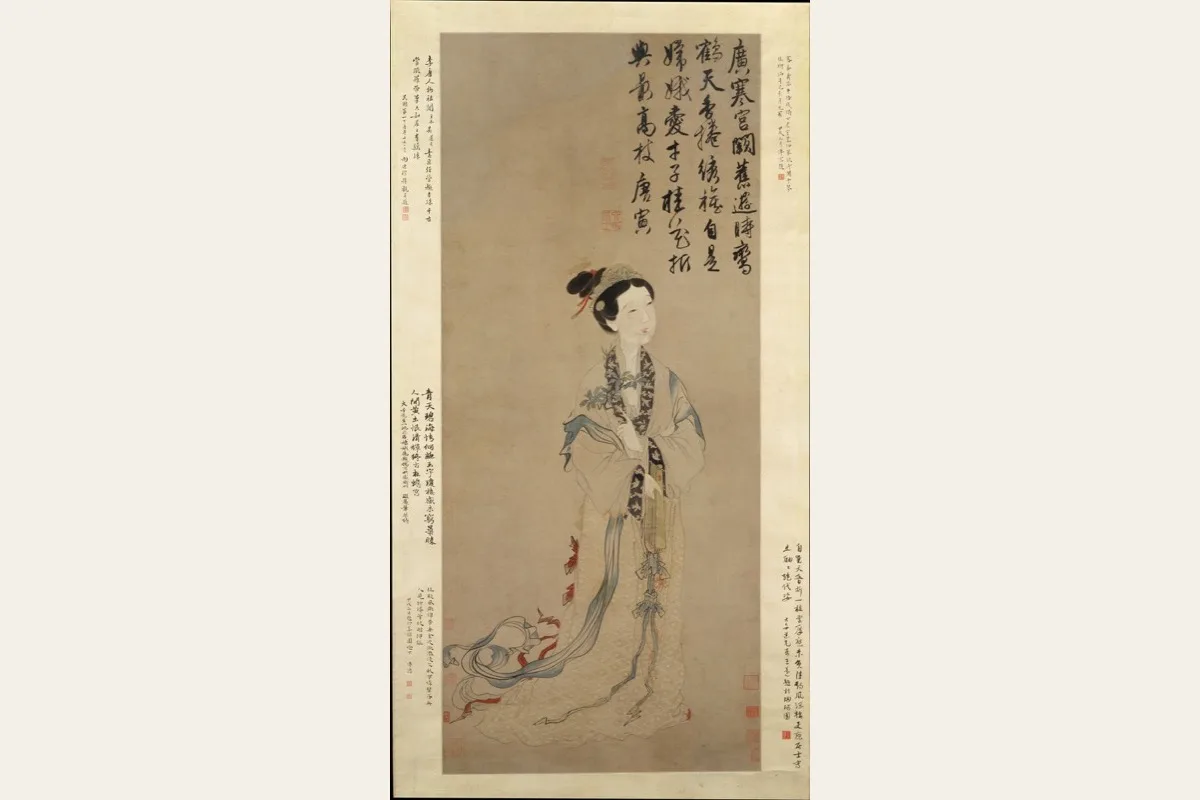
Hou Yi and the ten suns: which story are we telling?
First separate the sun-shooting crisis from the elixir passage. This gives you a way to recognize when a later telling joins episodes that an early source keeps apart.
As you read: What does the source actually say the elixir is for?
Chang’e: the woman in the moon
Now read the explicitly identified protective telling. The shared characters do not guarantee a shared account of Hou Yi’s conduct or Chang’e’s motives.
As you read: Does ascending to the moon feel like release, sacrifice, or separation in this version?
Mid-Autumn Festival: gathering under the moon
Finish with living observances rather than treating the legend as the festival’s whole origin. A story, a religious practice, and a family celebration are different encounters.
As you read: Which customs can you describe without claiming everyone tells the same story?
You leave with a source-aware comparison of the archer and Chang’e, and a separate route into festival practice.
Find Mid-Autumn in the festival calendarWhat changes—and who gets to belong?
A repaired world, a spirit in human form, and lovers imagined as butterflies do not mean the same kind of change. Put them beside one another without reducing transformation to a universal promise of renewal.
Choose this route if you enjoy myth, changing identities, or stories with supernatural endings.
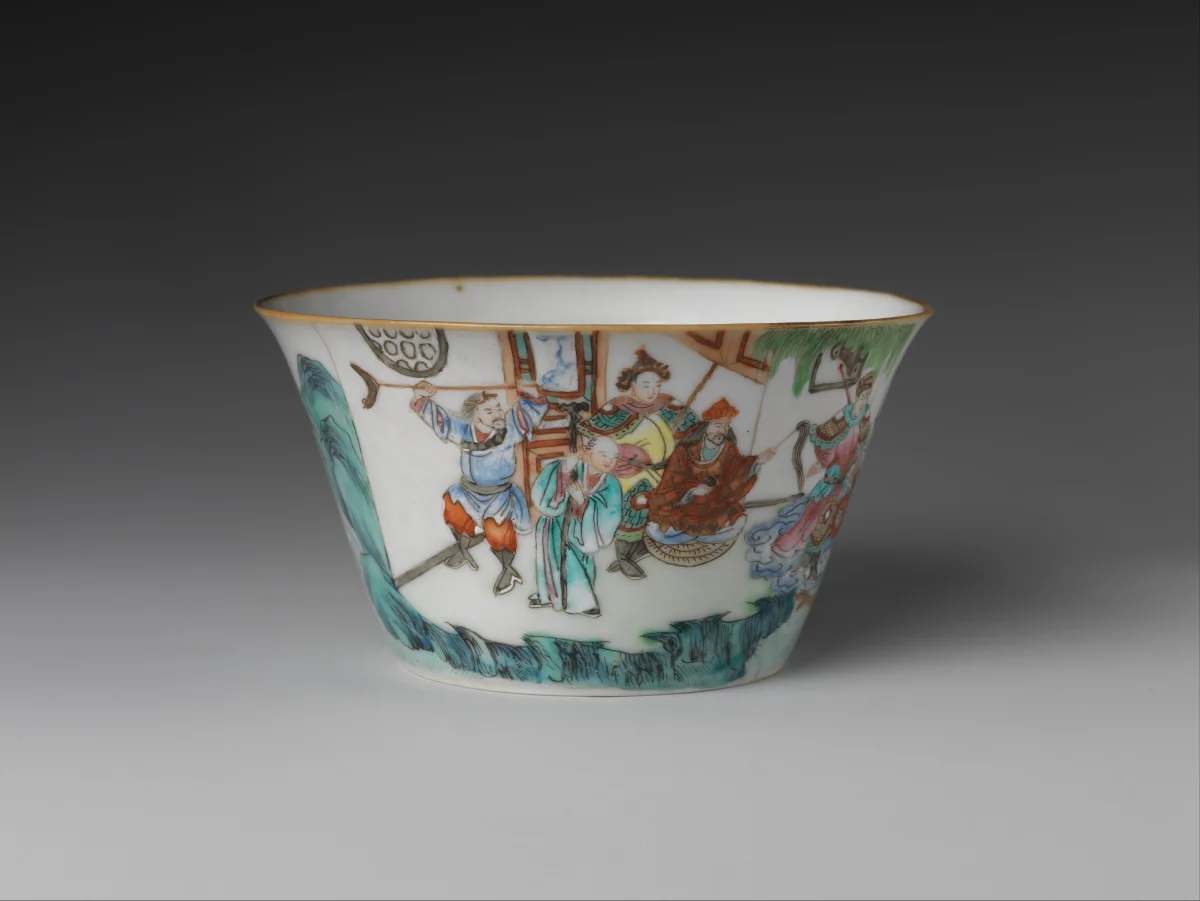
Nüwa: mending a broken sky
Start with repair rather than romance. Distinguishing the sky-repair passage from human creation teaches the version-checking habit used throughout this route.
As you read: What must be restored before people can live?
The White Snake: a story that keeps changing
Move from the conditions of life to the conditions of belonging. Different versions change the judgment of the spirit, the monk, and the tower.
As you read: Who treats a changed form as a danger, and whose judgment does the work invite you to share?
The Butterfly Lovers: friendship, learning, and an impossible marriage
End with recognition and an impossible marriage. Compare the narrative’s transformation with its earlier schooldays rather than starting and stopping at butterflies.
As you read: What can the ending imagine that the lovers’ social world does not allow?
You can distinguish bodily change, social recognition, and world repair instead of treating them as one symbolic meaning.
Compare disguise without supernatural transformation: MulanLeaving home, learning to return
Meet the pilgrimage as a group task, follow one difficult companion, and then compare a heroine whose service leads home. The point is not to turn every adventure into a list of life lessons.
A useful starting route if a film or game introduced you to Monkey or Mulan.
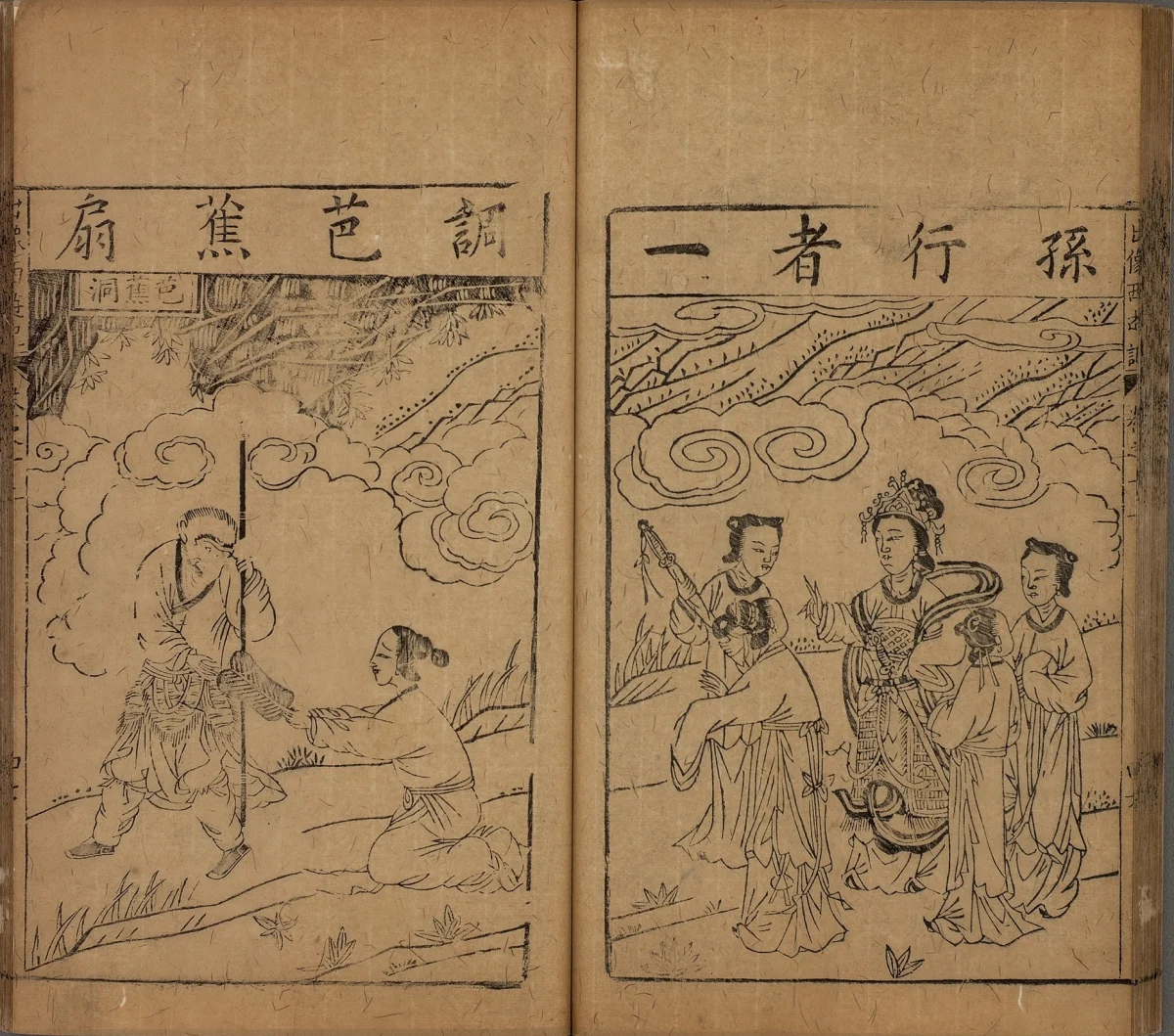
Journey to the West: where to begin
Begin with the cast, mission, and choice of English edition. Knowing whether you are reading an abridgment makes later comparisons much clearer.
As you read: Who is responsible for keeping the traveling party moving?
Sun Wukong: more than the Monkey King
Focus on Monkey’s changing relationship to power and obligation. Keep novel episodes separate from temple devotion and staged excerpts.
As you read: Does success mean winning a confrontation, or helping the group continue?
Mulan before the modern screen
Compare a different departure and return through the ballad rather than a screen plot. Similar adventure language can hide very different obligations and endings.
As you read: What does returning home resolve, and what does the poem leave unsaid?
You have a manageable reading entry and a method for comparing a complete work, an abridgment, and an adaptation.
Return to the novel guide and choose an English editionWhen stories meet the calendar
Use the animal race as a memorable narrative, then meet a heavenly romance and the practical craft associations of Qixi. A calendar date gives context, not proof that a legend happened.
Choose this route if a zodiac year or a festival date sparked your curiosity.
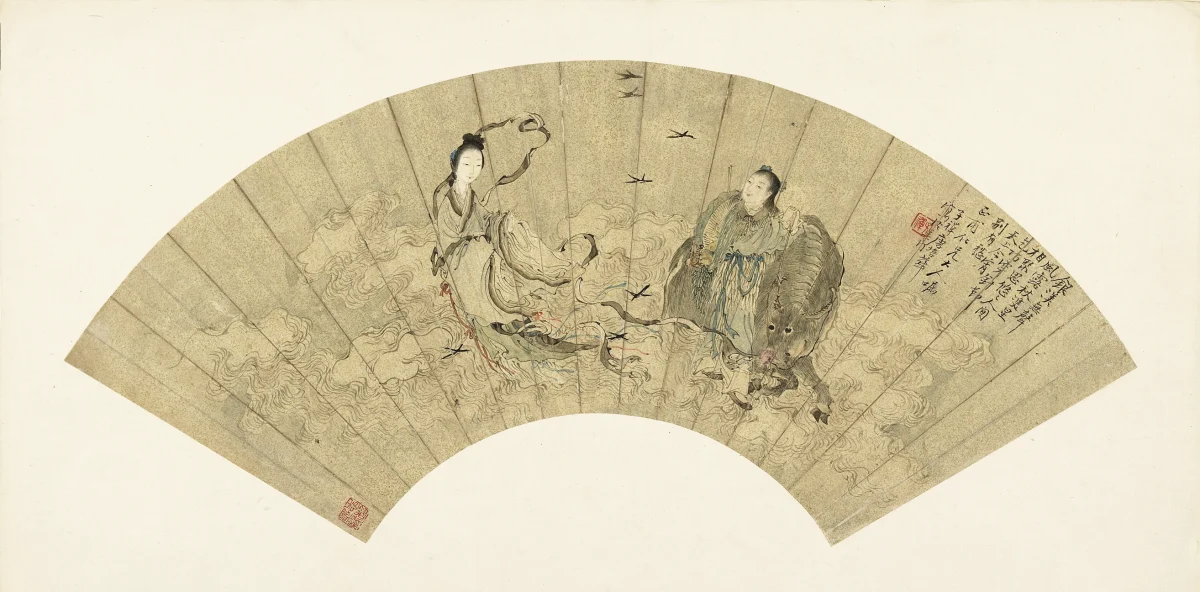
The zodiac race: how Rat came first
Start with the difference between a folk explanation and material calendar evidence. The race helps recall an order but does not date the invention of the cycle.
As you read: Which part is a story, and which part is a dated object?
The Cowherd and the Weaver Girl: across the heavenly river
Move to a story with different beginnings and a festival connection. Read the craft and Singapore community sections as carefully as the reunion plot.
As you read: What is lost when Qixi is described only as a romantic holiday?
Mid-Autumn Festival: gathering under the moon
Compare another festival without assuming that the same relation between story and practice applies. This step deliberately overlaps the moon route: themes are editorial lenses, not separate cultural boxes.
As you read: How can a family know a tale without sharing every associated religious practice?
You can use stories as entry points while keeping dates, communities, craft, and belief visible.
Look up Qixi and other festivals in the current-year calendarKeep the version in view.
Every story has a “Versions and sources” section. Use it to identify the telling before comparing motives or endings. An early name, a surviving object, and a later plot do not supply the same kind of evidence.
Browse all stories